Application concepts
Compare tasks in fiberglass workshops, hydropower stations, mine conveyors and hospital logistics, from requirements and capability combinations to implementation considerations.
The entries distinguish project proposals from algorithm validation examples. Outcomes and implementation targets require confirmation under site conditions.
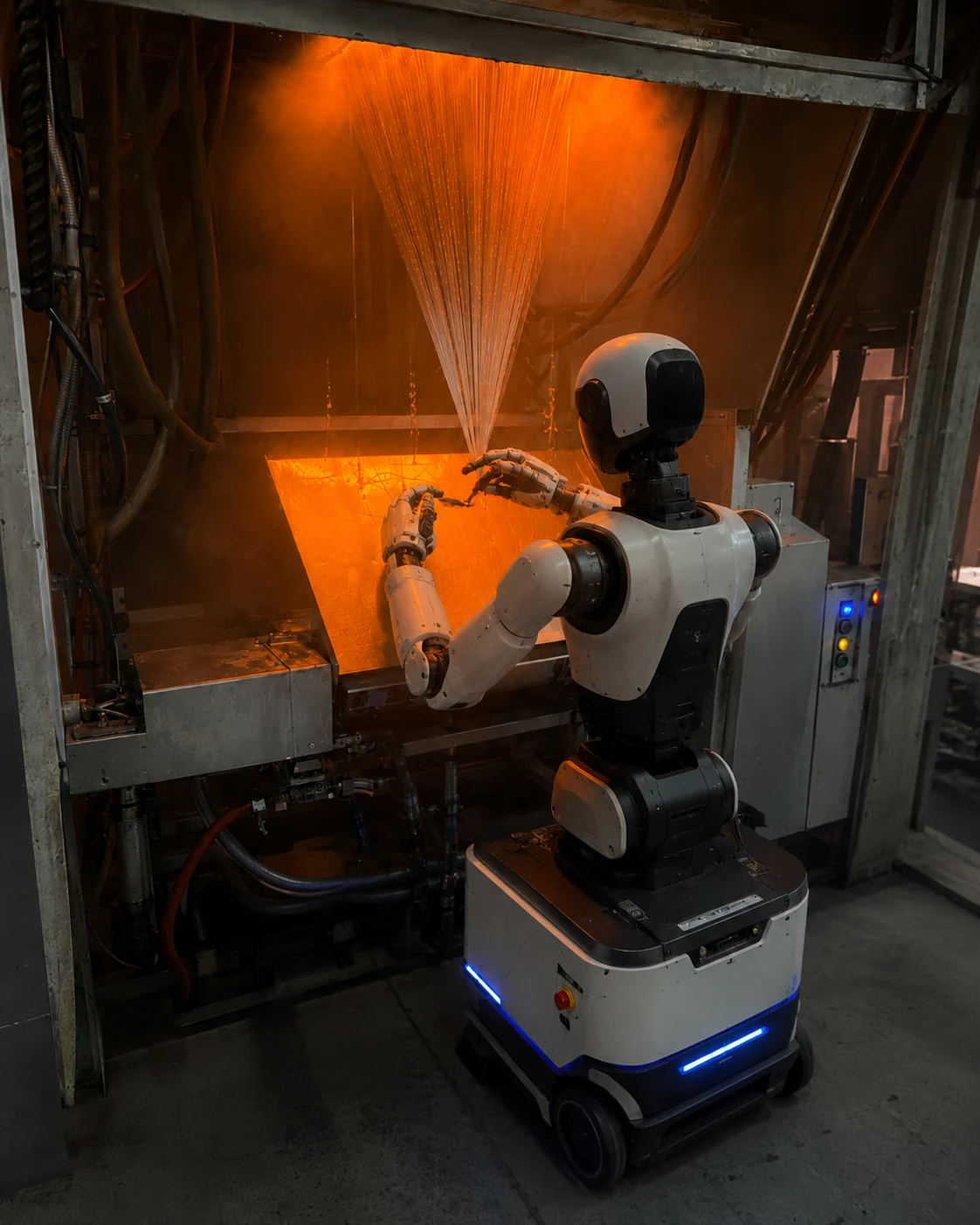
Inspection and robotic work in fiberglass workshops
Fixed cameras, mobile inspection and task-specific robots cover drawing and twisting workshops, linking anomaly detection with work execution and quality records.
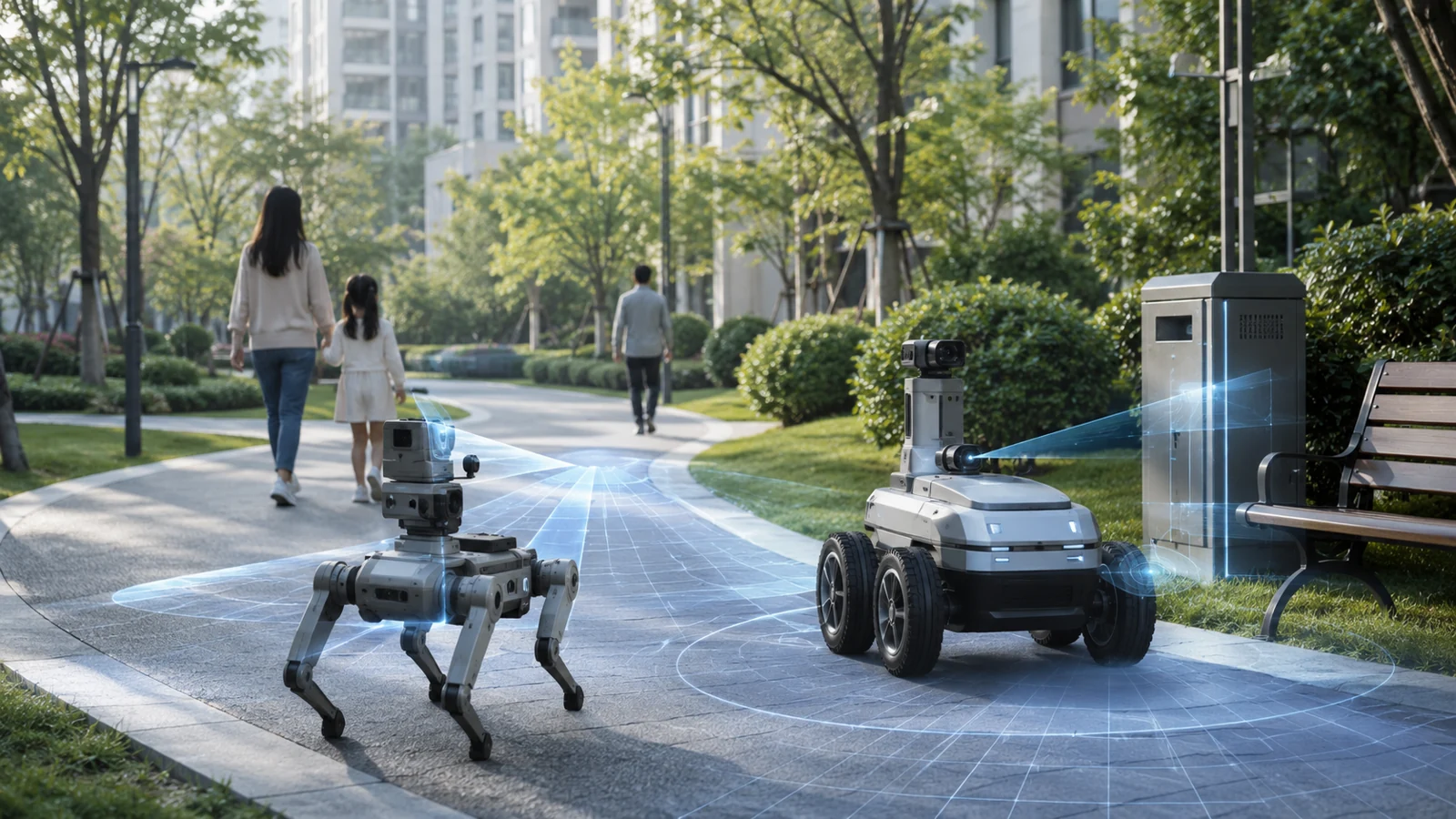
Coordinated robot services in an energy campus
Start with cleaning and document delivery, schedule mobile inspection by time slot, and plan extensions for guidance, asset inventories and outdoor patrols.
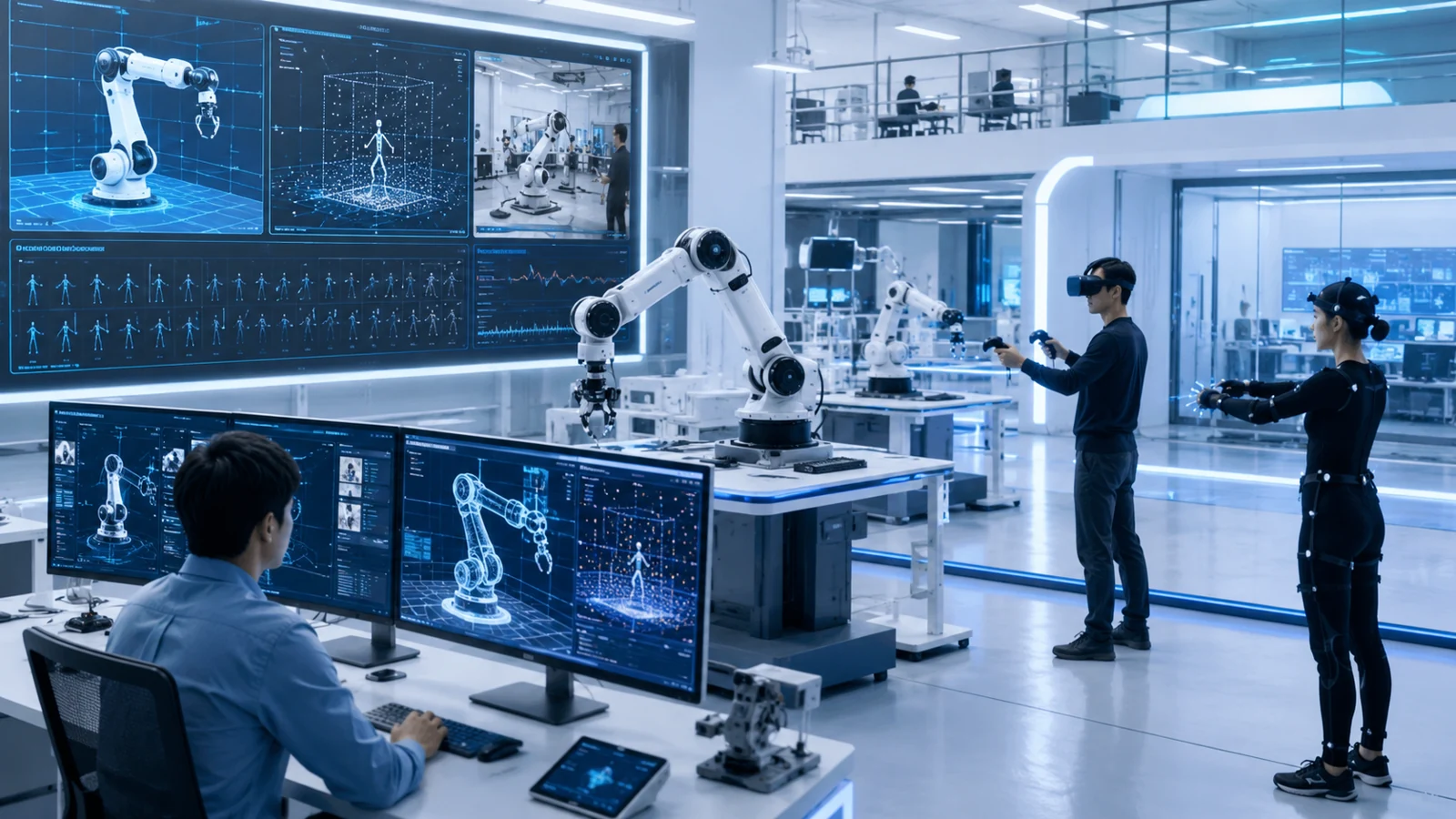
PCB visual-defect detection algorithm validation
Improve detection under reflections, geometric distortion and faint scratches through brightness correction, alignment and comparison with multiple reference boards.
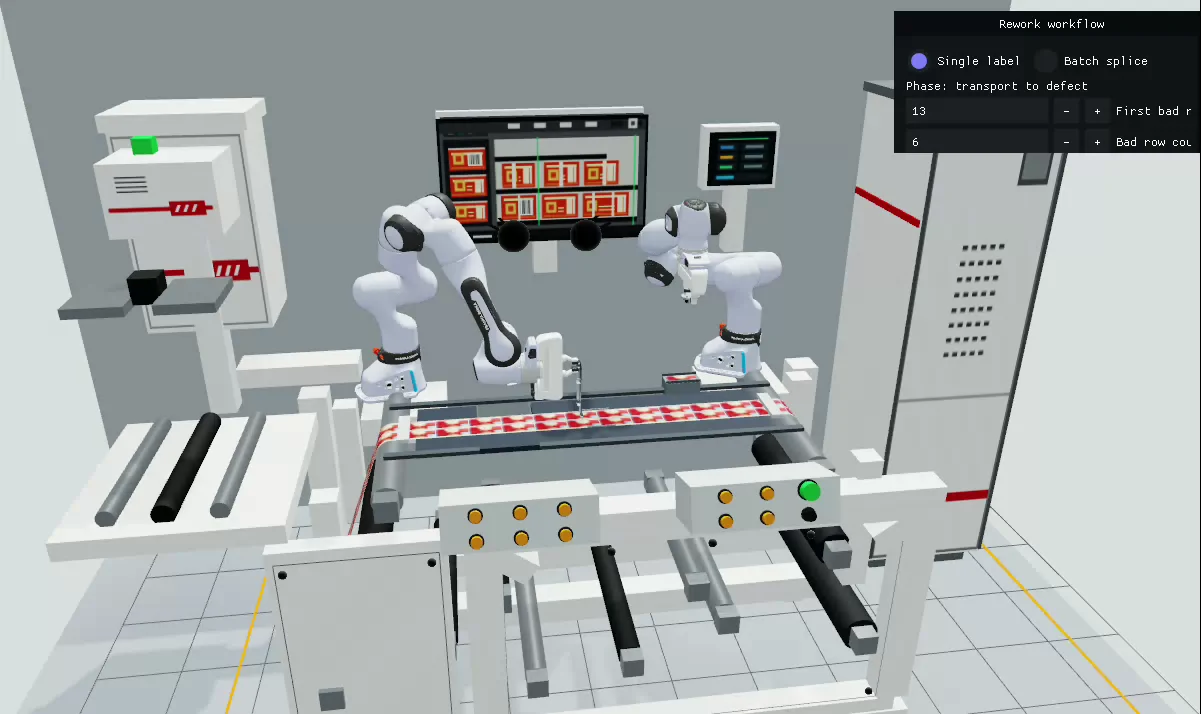
Modernizing a label-printing factory
Combine industrial vision, robots and business systems for quality inspection, label repair, material flow and transfer of operating knowledge.
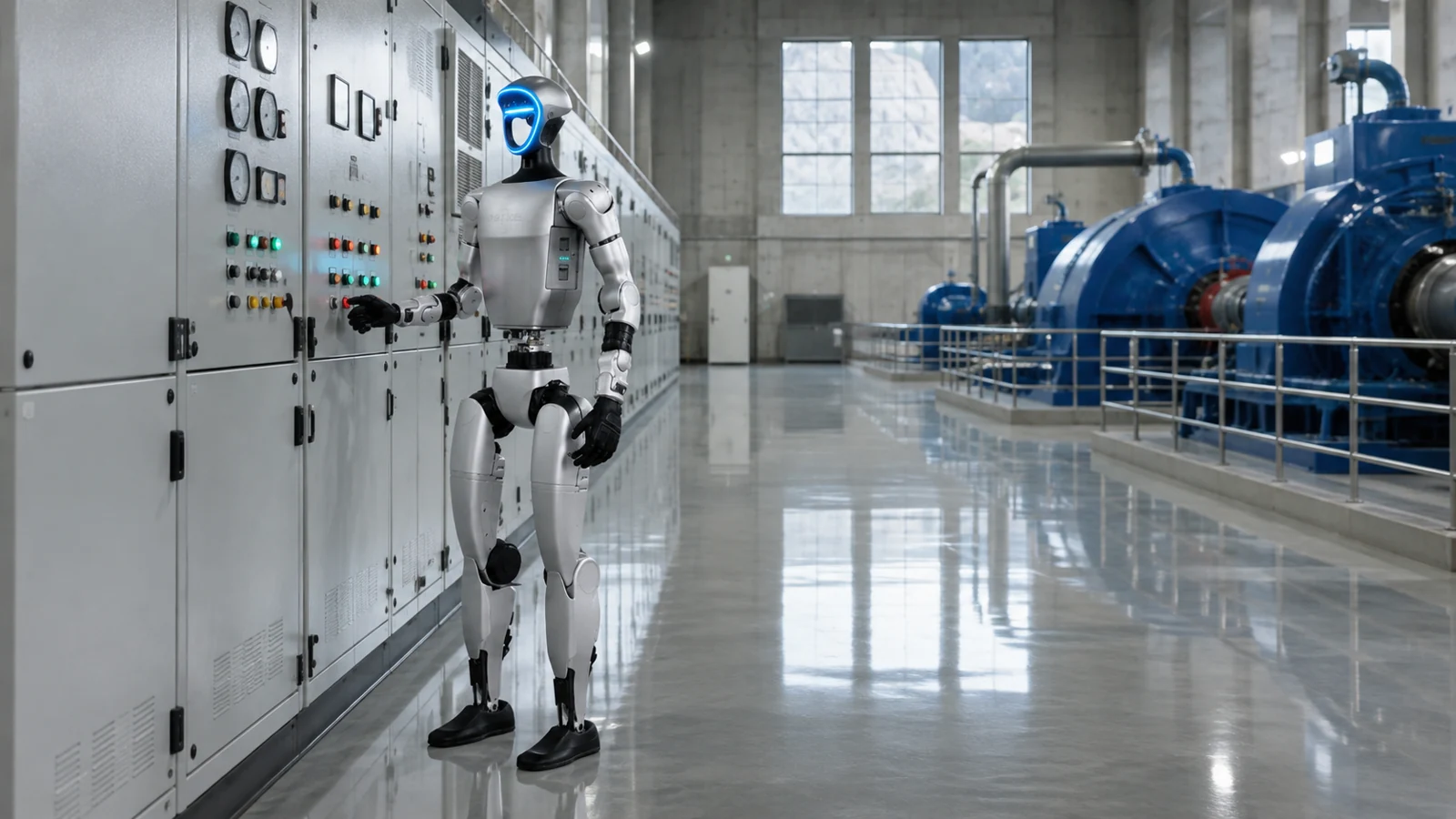
Bipedal robot inspection at hydropower stations
A research pilot for complex hydropower passages and human-height cabinets, combining multimodal sensing, VR teleoperation, virtual–physical training and controlled operation.
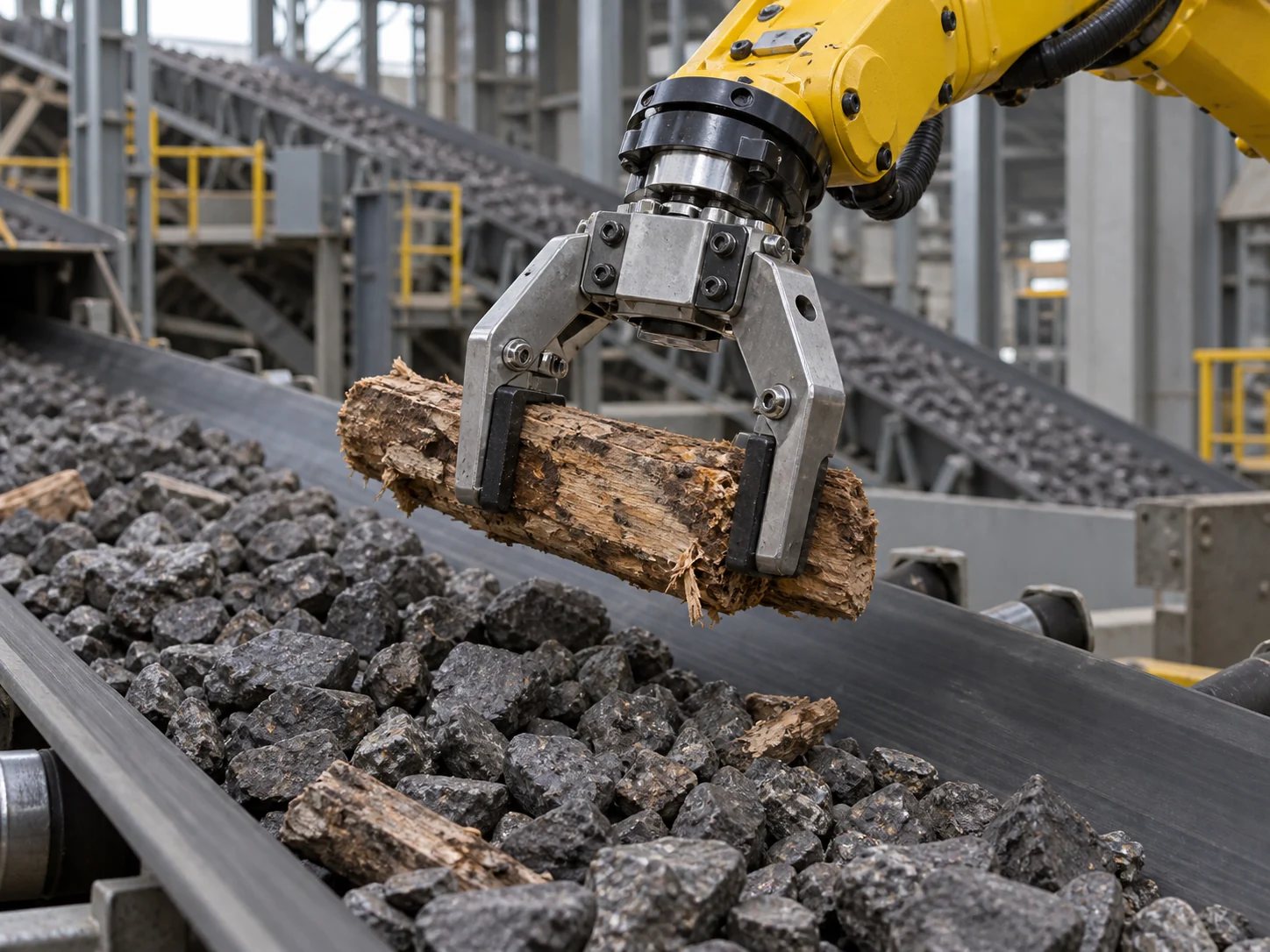
Detecting and removing foreign objects on mine conveyors
Identify visible wood, metal objects and woven bags on ore conveyors, then use speed tracking and robotic picking for online removal and sorted placement.
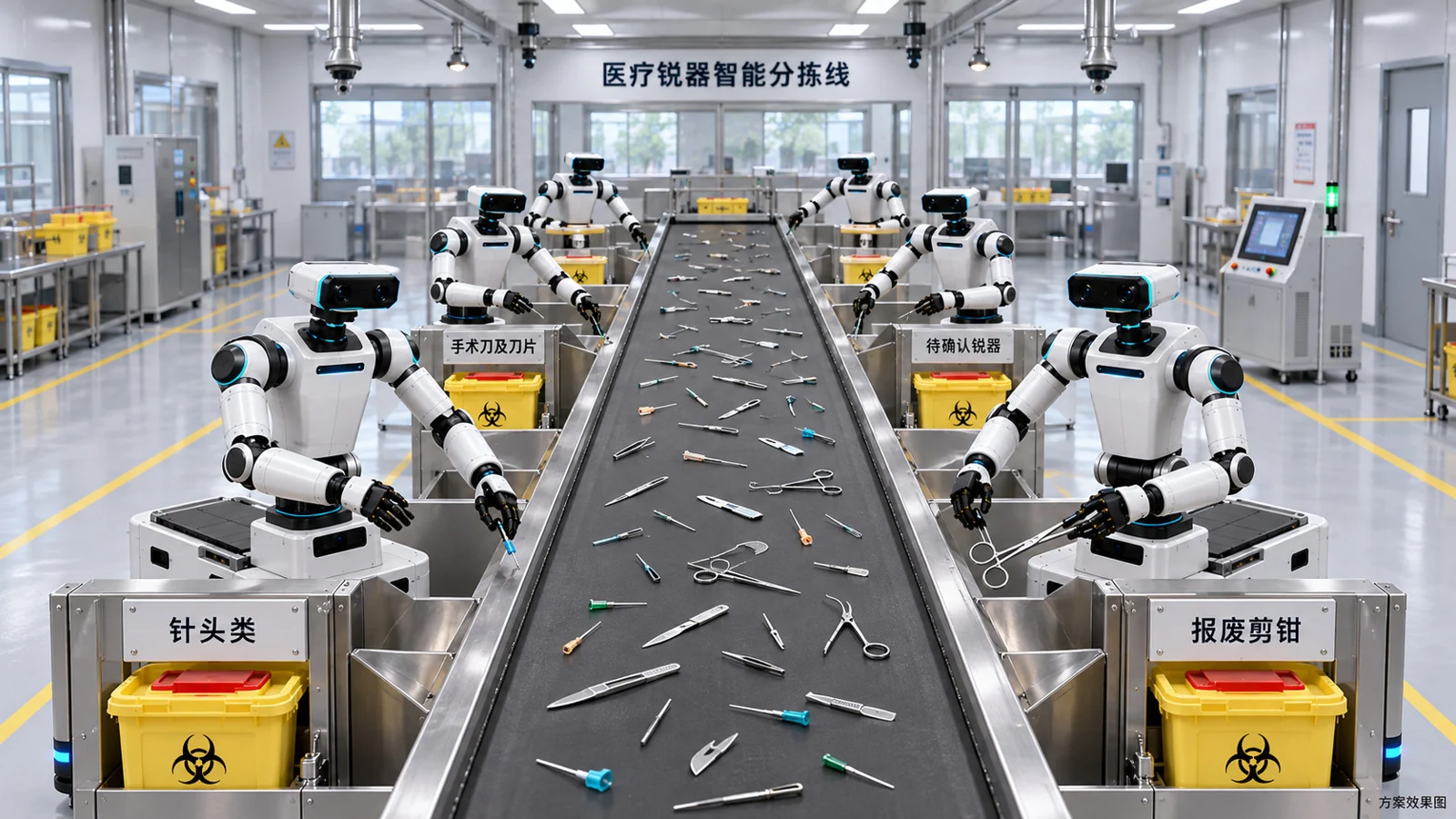
Controlled sorting of discarded medical sharps
Within an approved process for unpackaged items, vision recognition, coordinated robots on both sides and four-way sorting handle discarded sharps while retaining batch and container handover records.
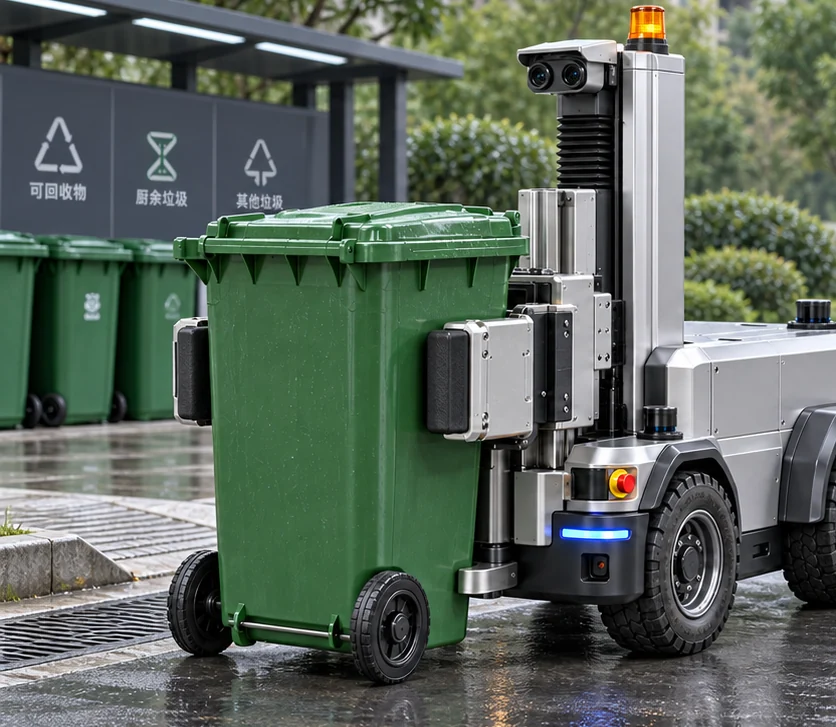
Automated community waste-bin transfer
An all-terrain base, bin-clamping mechanism and visual alignment transfer bins from collection points to waste vehicles, then return empty bins to their designated positions.
Take your field requirements
into the next stage of planning.
Share the workpiece, site layout and target cycle time to discuss product selection, system configuration and validation.