01↗
Initial requirements review
Describe the environment, workpiece, current process and target cycle time to define the problem first.
Notes on robot inspection, handling, vision sorting and simulation.
Sharing site conditions, task definitions and validation methods.
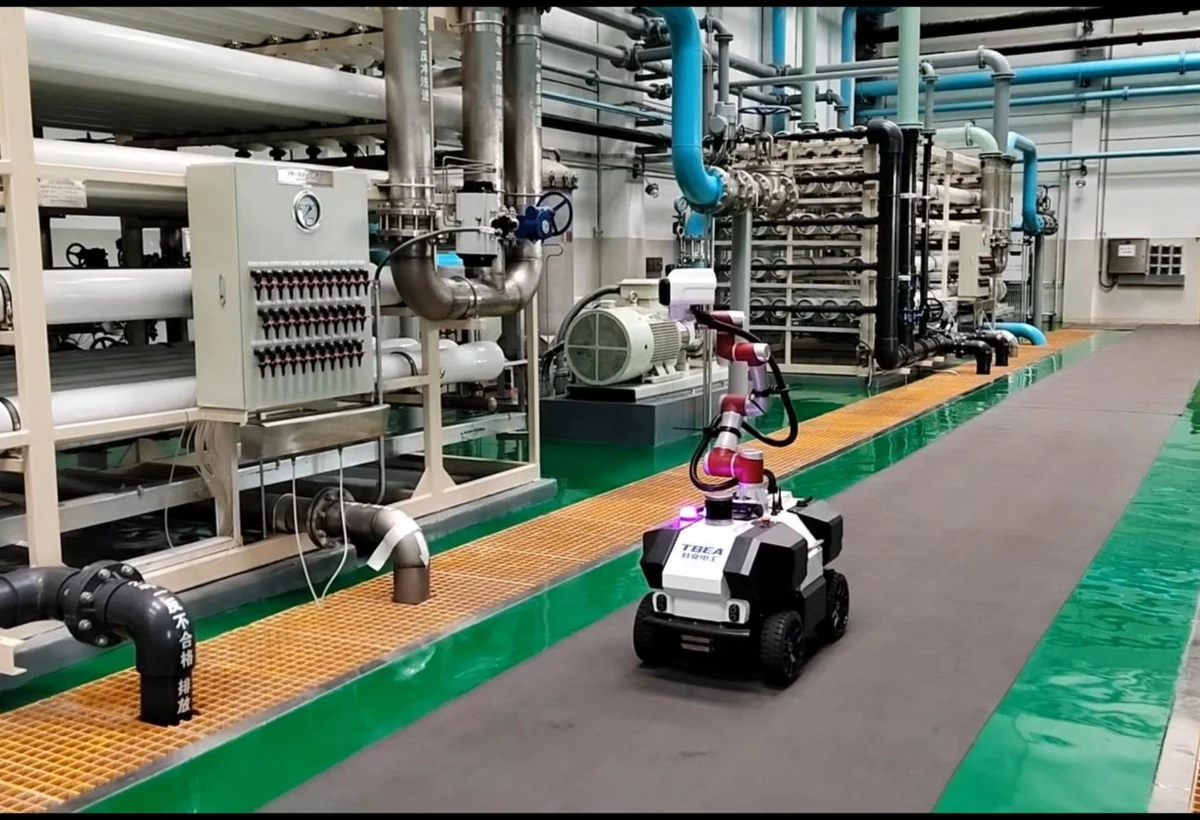
Match sensing, mobility, manipulation and scheduling to the operation, and assess whether the concept fits your site.
Equipment rounds, meter reading, anomaly review and predictive alerts connect field data with maintenance action.
Explore related productsPlan AMR transport and loading/unloading around materials, routes, handover stations and door/lift interfaces.
Explore related productsConfigure visual recognition, robotic picking and quality traceability around incoming material, defects and target cycle time.
Explore related productsUse scene modeling, task training and safety-boundary design to prepare evidence for real-robot pilots.
Explore related productsExplore capabilities, workflows and configuration conditions for inspection, cross-floor delivery and online foreign-object removal.
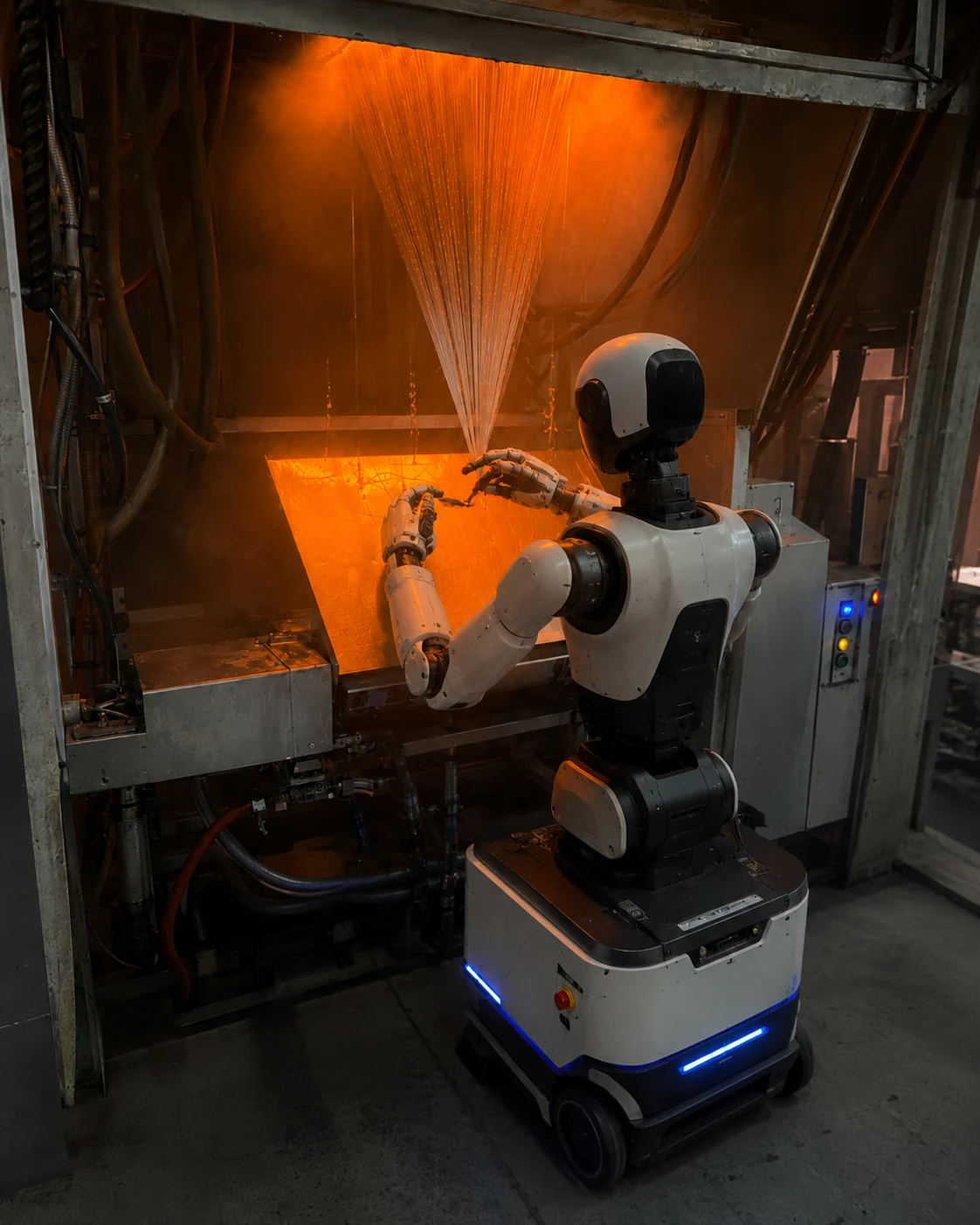 Inspection and maintenance
Combine fixed vision, mobile inspection and edge AI around bushings, oil applicators, gathering devices and winding stations for anomaly detection, alerts and quality traceability.
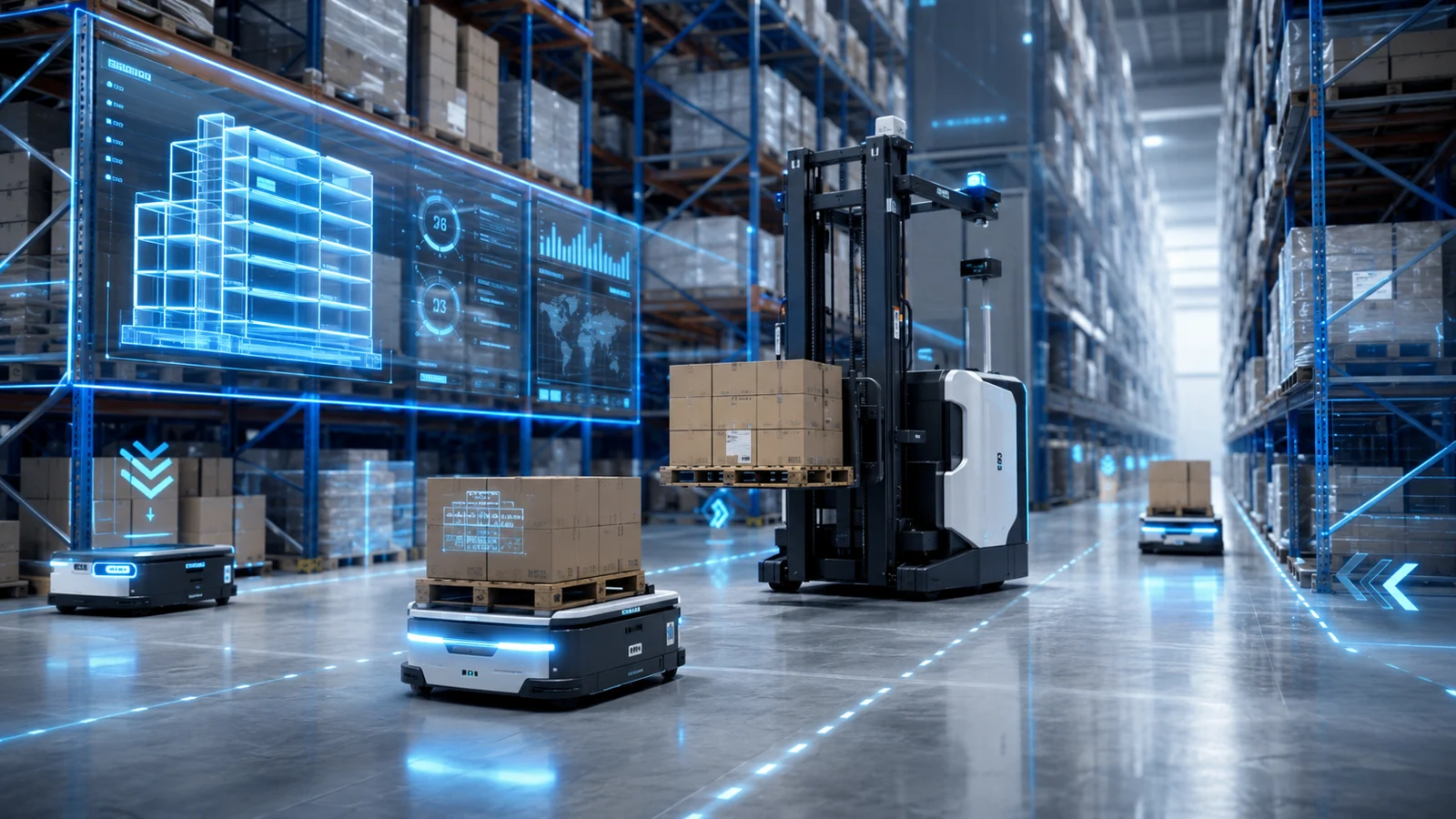 Handling and delivery
An underride AMR, custom dual-zone rack and door/lift coordination form a fixed-route workflow for meal boxes, spare parts and recovery of discarded gathering wheels.
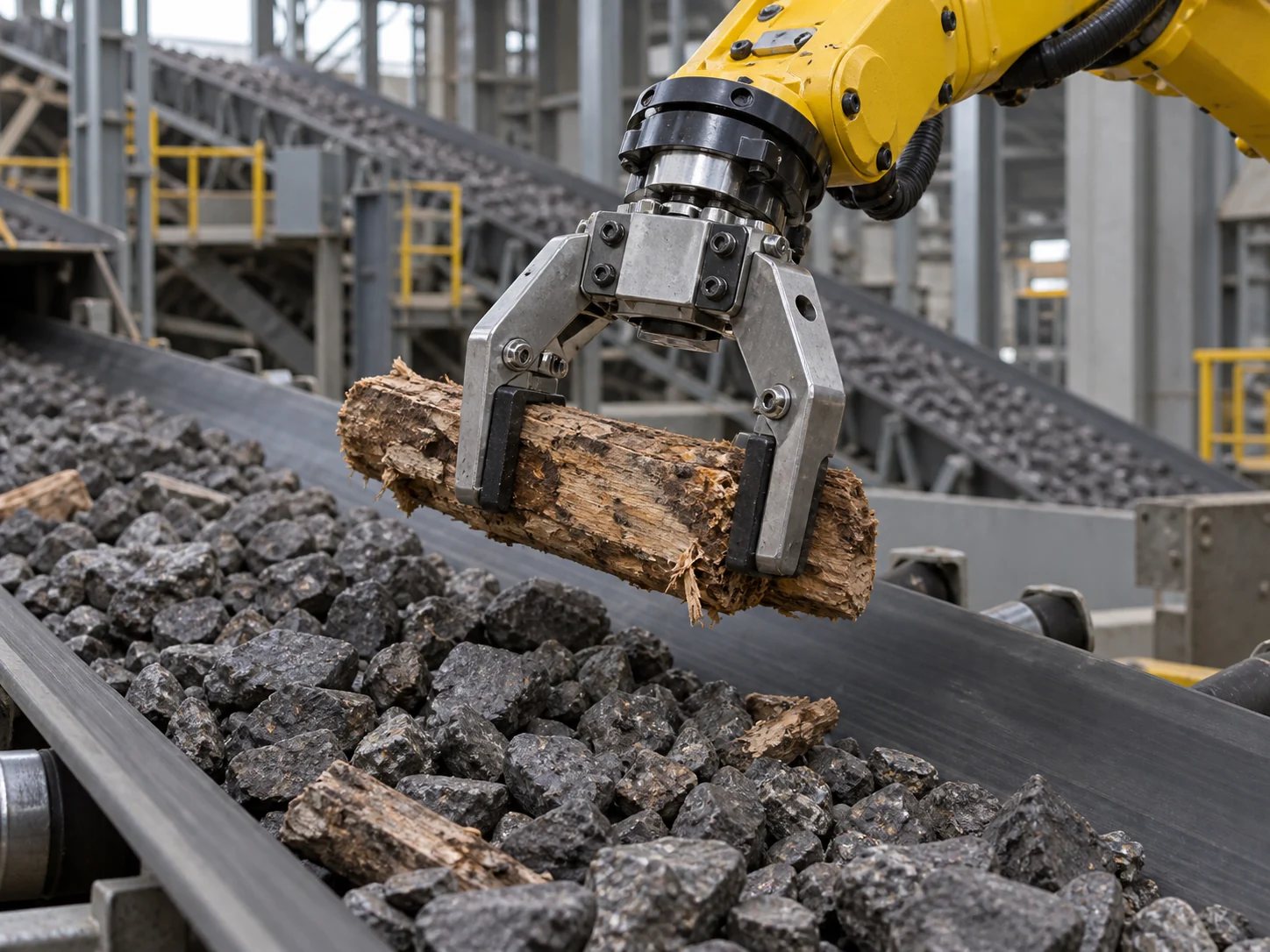 Inspection and sorting
Identify visible wood, metal objects and woven bags on ore conveyors, then use speed tracking and robotic picking for online removal and sorted placement.
Review processes, operating environments and business interfaces to define the product combination, pilot scope and implementation conditions.
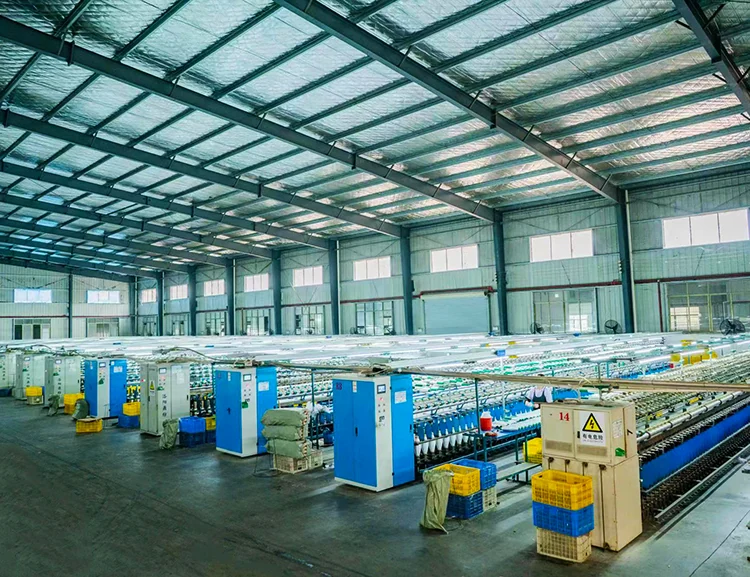
For fiberglass, garments, labels and roll production, connect vision inspection, robotic manipulation and material flow, linking quality recognition to work execution.
Explore the industry conceptRequirements, system components and implementation considerations together, for comparison with your project.
Fixed cameras, mobile inspection and task-specific robots cover drawing and twisting workshops, linking anomaly detection with work execution and quality records.
Identify visible wood, metal objects and woven bags on ore conveyors, then use speed tracking and robotic picking for online removal and sorted placement.
Project proposals and algorithm validation are labeled separately. Actual configuration, performance and scope depend on the site assessment and technical confirmation.
Start with one workstation, delivery route or inspection zone.
Describe the environment, workpiece, current process and target cycle time to define the problem first.
Map the robot, sensing, end effector and interfaces to the task, producing a set of capabilities that can be discussed.
Define proposed configuration, key samples, pilot scope and acceptance conditions; identify what needs testing first.
Agree responsibilities, boundaries and next steps for concept design, product coordination and integration.
Clarify the key conditions to make product selection and design discussions better informed.
Use task definitions to set the scope of scene, robot and sensor models. Check data records, exception recovery and pilot feedback, and define entry criteria for real-robot tests.
Separate data collection, anomaly review and contact operations. Define equipment states, task permissions, exit conditions and logs for each activity.
Share the workpiece, site layout and target cycle time to discuss product selection, system configuration and validation.