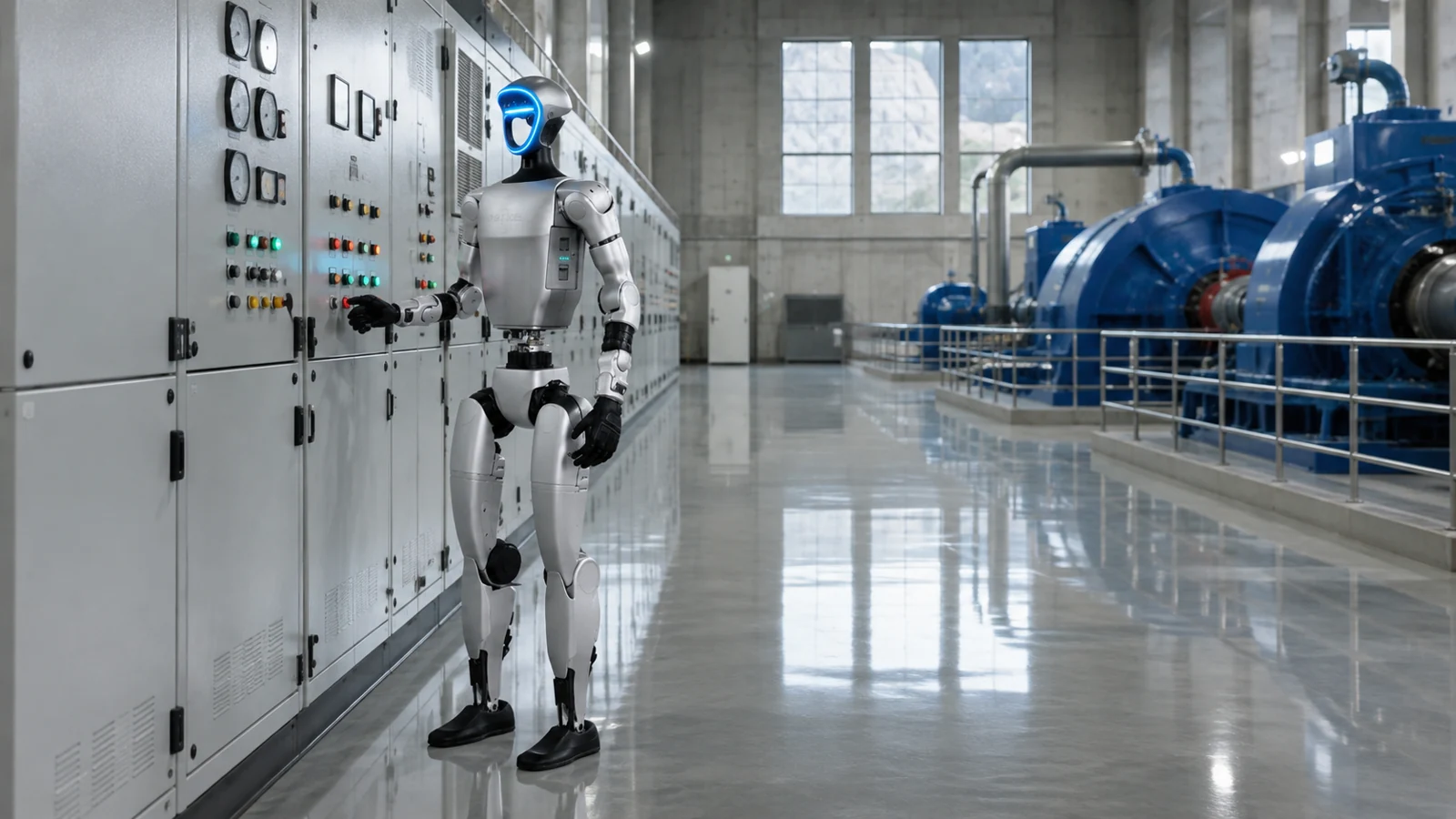
Separate inspection and operation into two task lists
The hydropower proposal discusses both route inspection and cabinet operations, which can make them seem like one capability. Inspection asks where to go, what to observe and how to record evidence. Contact operations must also establish whether contact is permitted, who authorizes it, the allowed motion and how to exit when results disagree.
The material prioritizes cabinet-state recognition and close-range anomaly checks. Handle and button operations are assigned to pilot cabinets, isolated units or confirmed low-risk circuits. This sequence is sensible: establish repeatable collection and review first, then add contact actions individually.
Recognizing an anomaly does not grant permission to operate
The distribution-room proposal gives another clear example. After a model detects an unusual temperature rise, a robot can collect images, infrared data and readings for human confirmation and work-order handling. Anomaly detection triggers further evidence collection; it does not imply permission for direct equipment operation.
For each executable action, define the task allowlist, target equipment, present state, authorization conditions and result checks. A remote command still requires on-site checks that its conditions are satisfied. Authorization and execution records should correspond.
Design the exit path alongside the success path
An implementation review must examine uncertain recognition, blocked contact, communication loss and failed state confirmation. Should the robot wait, release the tool or retain its load? When is human takeover mandatory? Answers depend on the robot and workstation; a generic alarm is not a substitute.
The runtime safety proposal adds action checks and fallback between policy and actuators. Discuss it alongside site emergency stops, speed/force limits and takeover mechanisms. Retain video, telemetry, authorization and event logs so both successful actions and decisions not to continue can be explained.